
Landscape and the NPPF: A Quiet Shift Rural Practitioners Should Not Ignore
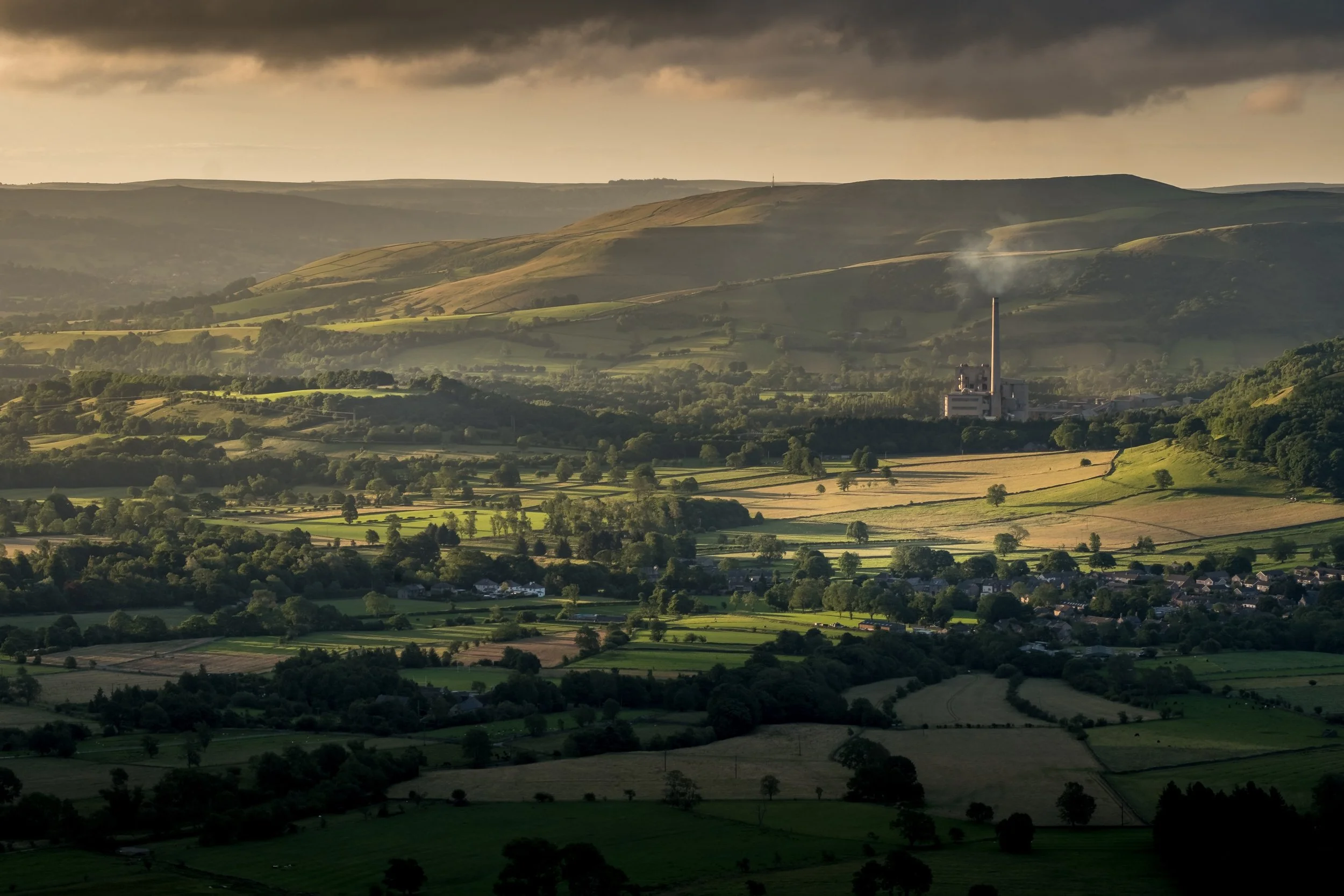
As set out in my previous blog on September 7th, the new NPPF has prompted a lot of discussion about Green Belt, Grey Belt and the Golden Rules. Another important and related changes for rural planning site in Chapter 19 – landscape character. The old Chapter 15 provided clear, explicit national direction on landscape protection. The new Chapter 19 is noticeably more general, more balanced, and less directive. For rural areas, where landscape sensitivity is often the decisive factor, this is important.
A quieter, but important change
Under the previous NPPF, landscape had a more defined place in national policy. The wording emphasised protection, valued landscapes, and the need to conserve and enhance landscape character. It was a chapter that offered greater weight to landscape concerns even where local policy might be absent or out of date.
The Chapter 19 of the new NPPF reduces the protection offered. Landscape is still present, but within a broader environmental context. The language is less explicit and puts more reliance on local policy and guidance. As such, it is fair to say that national landscape protection has been diluted, with decision‑making now needing to lean more heavily on local plans, design codes and landscape character assessments.
What this means for rural development
A risk for landowners and developers is assuming that landscape matters now carry less weight. They don’t. What has changed is the source of that weight with local policy and guidance now taking a centre stage. For agricultural and rural schemes, landscape is rarely a secondary issue. It often defines the feasibility of:
farm diversification
tourism and leisure uses
equestrian development
rural housing and business developments
estate projects
agricultural buildings
access improvements and infrastructure
This nuanced change in landscape policy means developers and applicants will now need to shift emphasis when addressing landscape impact, and more than ever focusing on:
local landscape evidence
early landscape appraisal
local design requirements
site‑specific sensitivity analysis
clear justification for siting and scale
Early judgement remains essential
As with Green Belt, the updated NPPF does not remove the need for early feasibility work. If anything, the shift in landscape policy makes early judgement more important. Applicants need to understand:
how their site sits within local landscape character
whether the proposal aligns with local design codes
how sensitive the surrounding landscape is to change
what level of landscape evidence will be required
whether the project is realistically deliverable
Landscape remians a decisive factor and one which needs careful consideration at the outset.
Next steps for rural landowners and practitioners
If you are considering a rural scheme, it is worth reviewing your approach in light of the new landscape chapter:
commission early landscape appraisal where sensitivity is likely to be an issue
check local landscape character assessments and design codes
ensure siting and scale respond directly to local context
avoid assuming national policy will carry the weight — it won’t
integrate landscape considerations into early feasibility, not late design
Conclusion
The new NPPF has softened national landscape wording, but it has not softened landscape constraints. Schemes in rural areas still demand careful, realistic early judgement. For farms, estates and rural landowners, understanding landscape sensitivity early in the process remains one of the most important steps in determining what is genuinely achievable.