
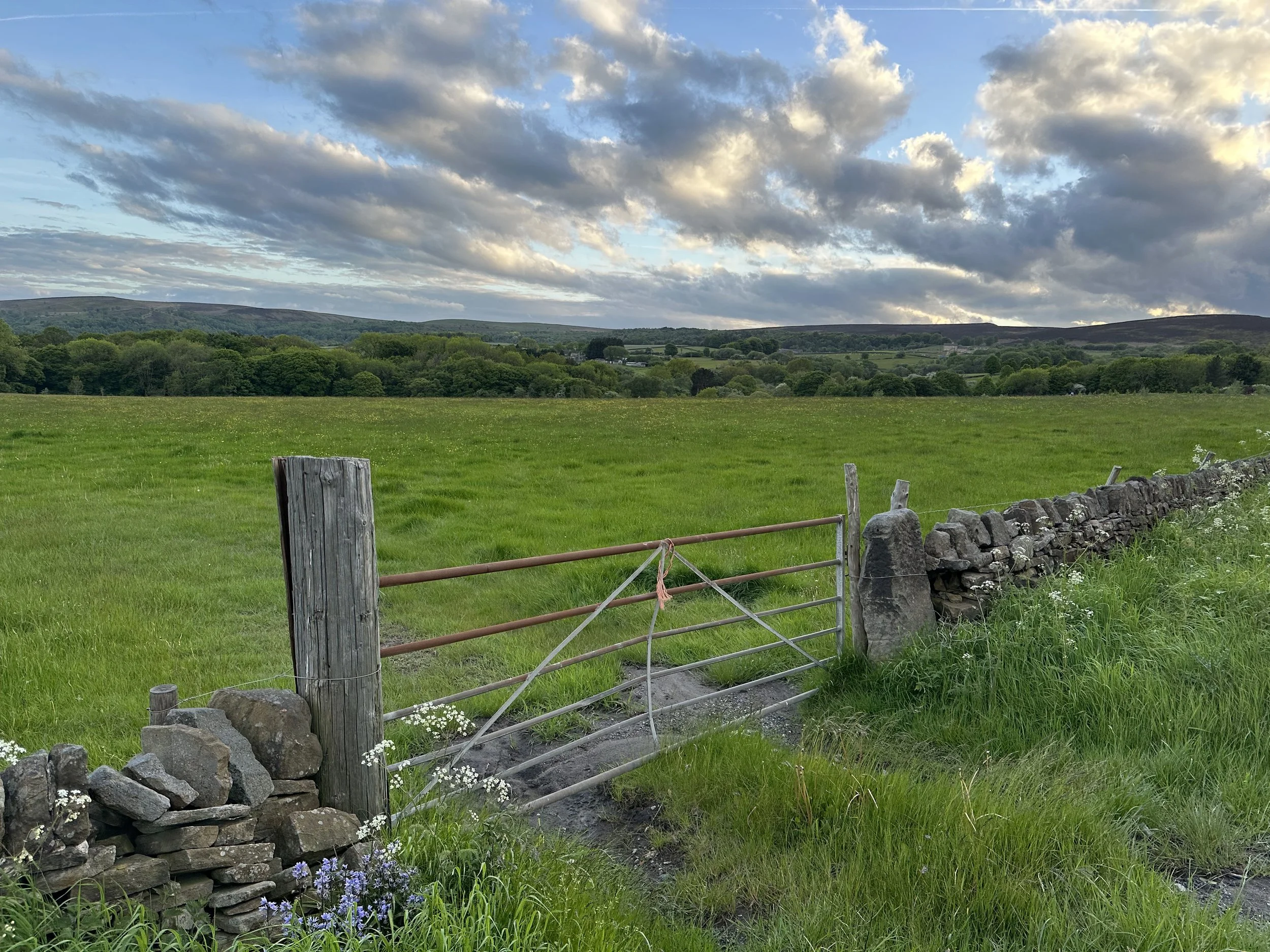
The Peak District
Given the popularity of the Peak District, proposals are commonly focused on low‑impact rural schemes such as the renovation and reuse of redundant buildings for holiday lets and other small‑scale tourism or leisure uses. Glamping has seen a significant rise in interest over recent years, but it is often more complicated in planning terms than people expect.
Permitted development routes are frequently explored, but it is important to understand their limitations within the National Park. Class Q (agricultural to residential) does not apply in National Parks, meaning many buildings that might be eligible elsewhere cannot be converted under this route. Class R (agricultural to commercial uses) can apply, but its use is still highly dependent on meeting strict criteria.
The National Park’s policies place considerable weight on landscape character, tranquillity, heritage settings and the relationship between development and the working landscape. Even modest proposals can be highly sensitive to location, visibility and cumulative impact. Early feasibility work is essential to understand whether a project has a realistic prospect of progressing before time and money are committed to design or technical work.