
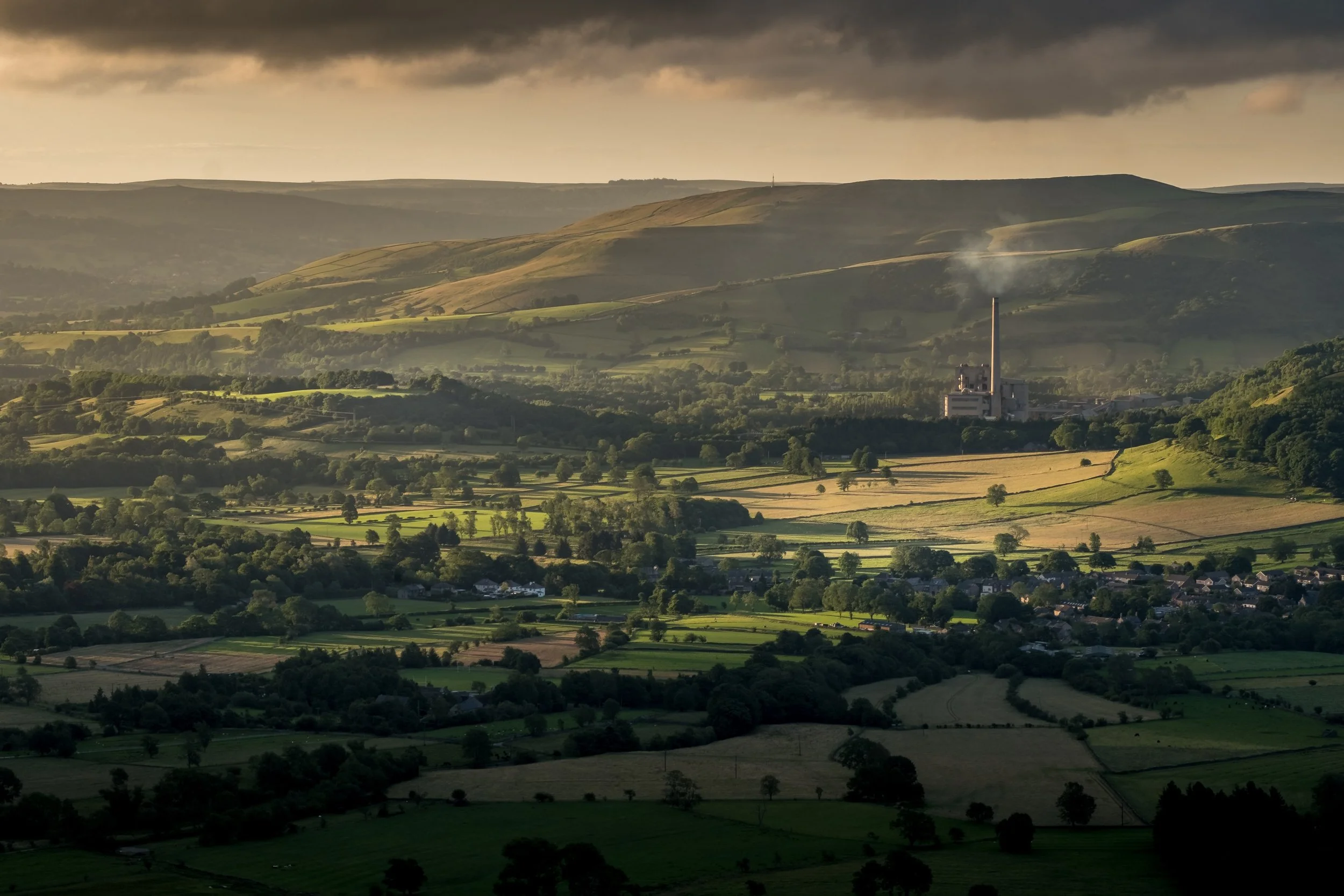
Landscape and the NPPF: A Quiet Shift Rural Practitioners Should Not Ignore
The new NPPF has softened national landscape wording, but it has not softened landscape constraints. Schemes in rural areas still demand careful, realistic early judgement. For farms, estates and rural landowners, understanding landscape sensitivity early in the process remains one of the most important steps in determining what is genuinely achievable.
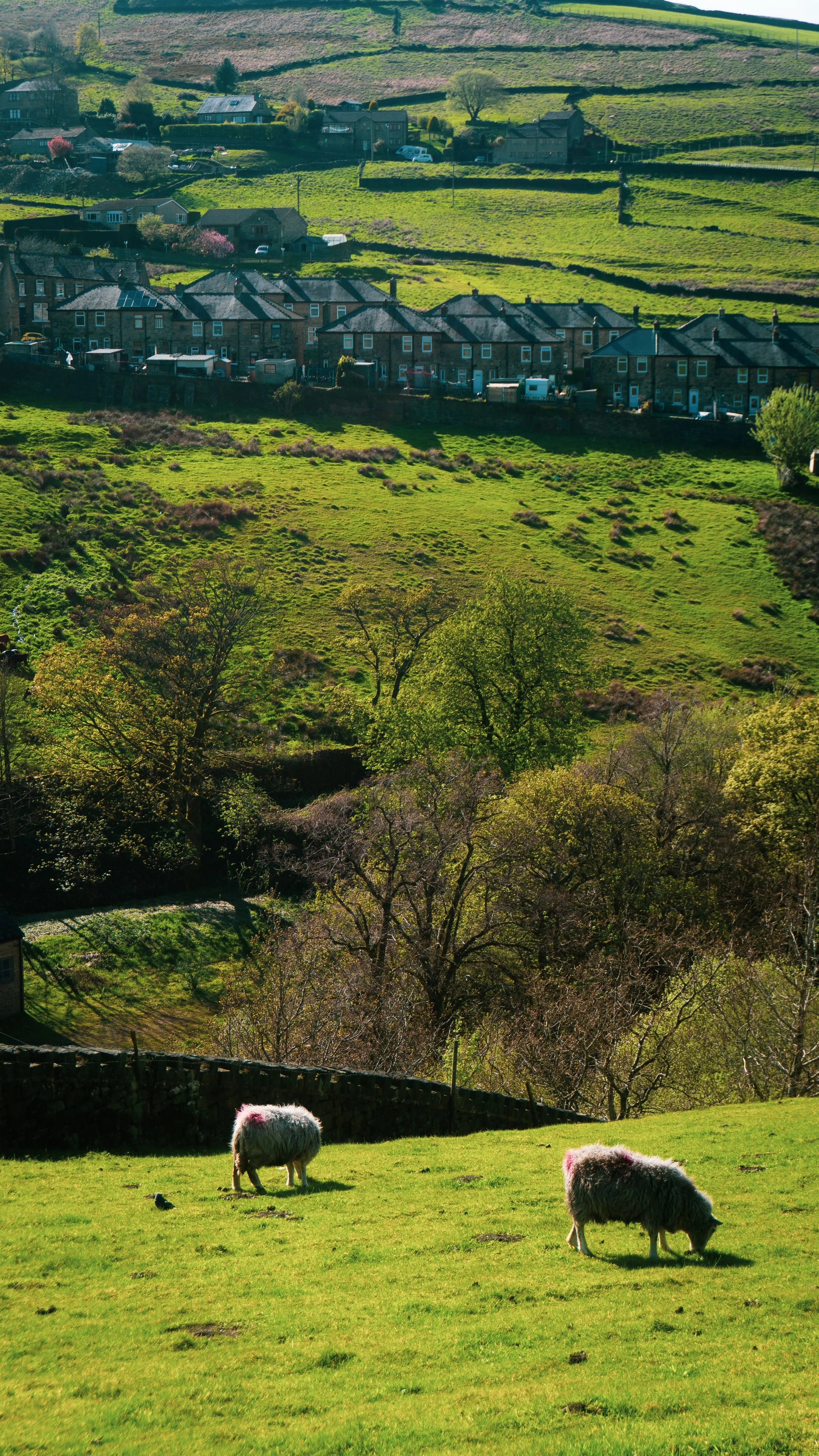
The Rural Green Belt Reality: Why the New NPPF Still Demands Strong Early Judgement
Recent updates to the NPPF have led many to assume rural development has become easier, particularly with changes to Green Belt Policy. While some applicants see the latest policy shift as a green light for development, the reality is more measured. Green Belt judgement is still central, and early feasibility work remains the most valuable step in understanding what is genuinely achievable before committing to design fees or investment.

The 2026 NPPF Overhaul: What the New Rules Mean for Rural Planning
The 2026 NPPF introduces the most significant restructuring of national planning policy since 2012, with clearer national criteria and stronger support for rural economic growth, agricultural investment and settlement‑edge housing. For landowners, farmers and rural professionals, understanding how these new national rules interact with local plans will be essential when assessing development opportunities and planning future projects.

Planning for the Next Generation
A practical look at why multi‑generational farms need a whole‑farm development plan to secure income, reduce conflict and shape a sustainable future.

Drainage and Farm Modernisation
Why modernisation is the ideal moment to rethink water, reduce risk and build long‑term farm resilience.

What LNRS Means for You
A practical explanation of what Local Nature Recovery Strategies mean for landowners, farms, and rural development proposals.