
What LNRS Means for You
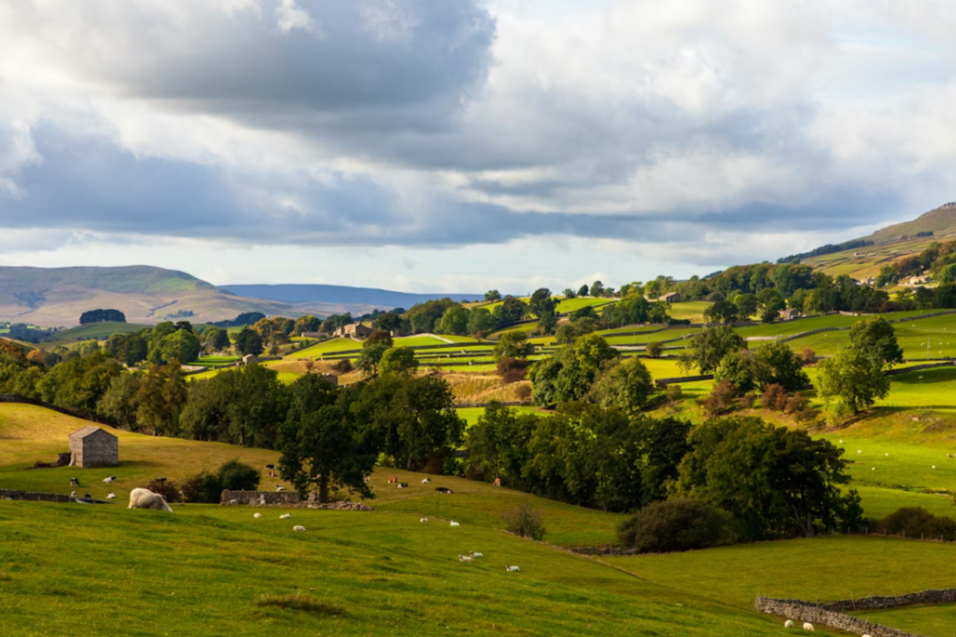
Local Nature Recovery Strategies (LNRS) are a relatively new addition to the land management scene and are being perceived as being just ‘another layer’ of an already complex planning system by many. They are spatial strategies that set out where nature recovery should happen — and they will increasingly influence planning decisions, land value and diversification potential.
LNRS identify where habitats such as species‑rich grassland, woodland, wetland, peatland and hedgerows should be protected, enhanced or created. Landowners who understand these priorities early will be better placed to align with them and capture the opportunities they create.
There are 48 responsible authorities across England, each producing an LNRS for their area. Most are now in place. Each strategy includes a statement of priorities: the habitats and species that matter locally, the pressures they face, and the targets for recovery. Climate resilience, flood mitigation and access to nature all sit within this.
How LNRS influence decisions
LNRS priorities will be delivered through a combination of:
incentives such as the BNG “strategic significance” uplift
requirements on public bodies
influence on local planning policy and decisions
eligibility criteria for funding schemes such as the Species Survival Fund
In practice, LNRS will guide where nature recovery is expected, where enhancement is encouraged, and where development will face greater scrutiny. It will become a key reference point for planning officers, ecologists, Wildlife Trusts and other key stakeholders when assessing proposals.
For landowners, this means LNRS will quietly shape:
where diversification is more or less likely to succeed
where planning risk is rising
where BNG delivery is most viable
where long‑term land value may shift
LNRS and BNG: where the opportunity lies
LNRS provide the spatial framework for off‑site Biodiversity Net Gain (BNG). BNG delivered within an LNRS priority area receives a 1.15% strategic significance multiplier — meaning you can generate more units on the same land than you could outside the LNRS.
This uplift is deliberate. It directs investment into the areas where nature recovery is most needed.
For landowners, the implications are clear:
land inside LNRS priority areas will be more attractive for BNG
units will be easier to sell
the land will generate more uplift per hectare
the market is expected to be worth £135m–£274m annually
Understanding where your land sits within the LNRS is therefore essential before committing to any BNG scheme.
Who needs to understand LNRS?
LNRS matters if you are:
a farmer or landowner choosing where to deliver BNG
a landowner considering selling biodiversity units
a developer assessing site selection
a land manager reviewing constraints and opportunities across a holding
In all cases, LNRS is now part of the decision‑making landscape.
How Kenyon-Holmes Rural Planning can help
My feasibility service is designed for this early‑stage clarity. I can:
map your holding against the LNRS
identify opportunity zones vs constraint zones
assess diversification potential in LNRS‑aligned areas
highlight where planning risk is increasing
provide early feasibility advice before design fees or surveys are committed
This early work sets the foundations for long‑term decisions about your farm, estate or landholding. It helps maximise development potential while positioning you as a responsible custodian of the land who understands the direction of travel.
Nature recovery is becoming ever more central as a material planning consideration. Many see this as a barrier. I see it as an opportunity for landowners who understand the strategy behind it and are ready to capitalise.
If you want early clarity before committing time or money, that’s where I can help.