
Drainage and Farm Modernisation
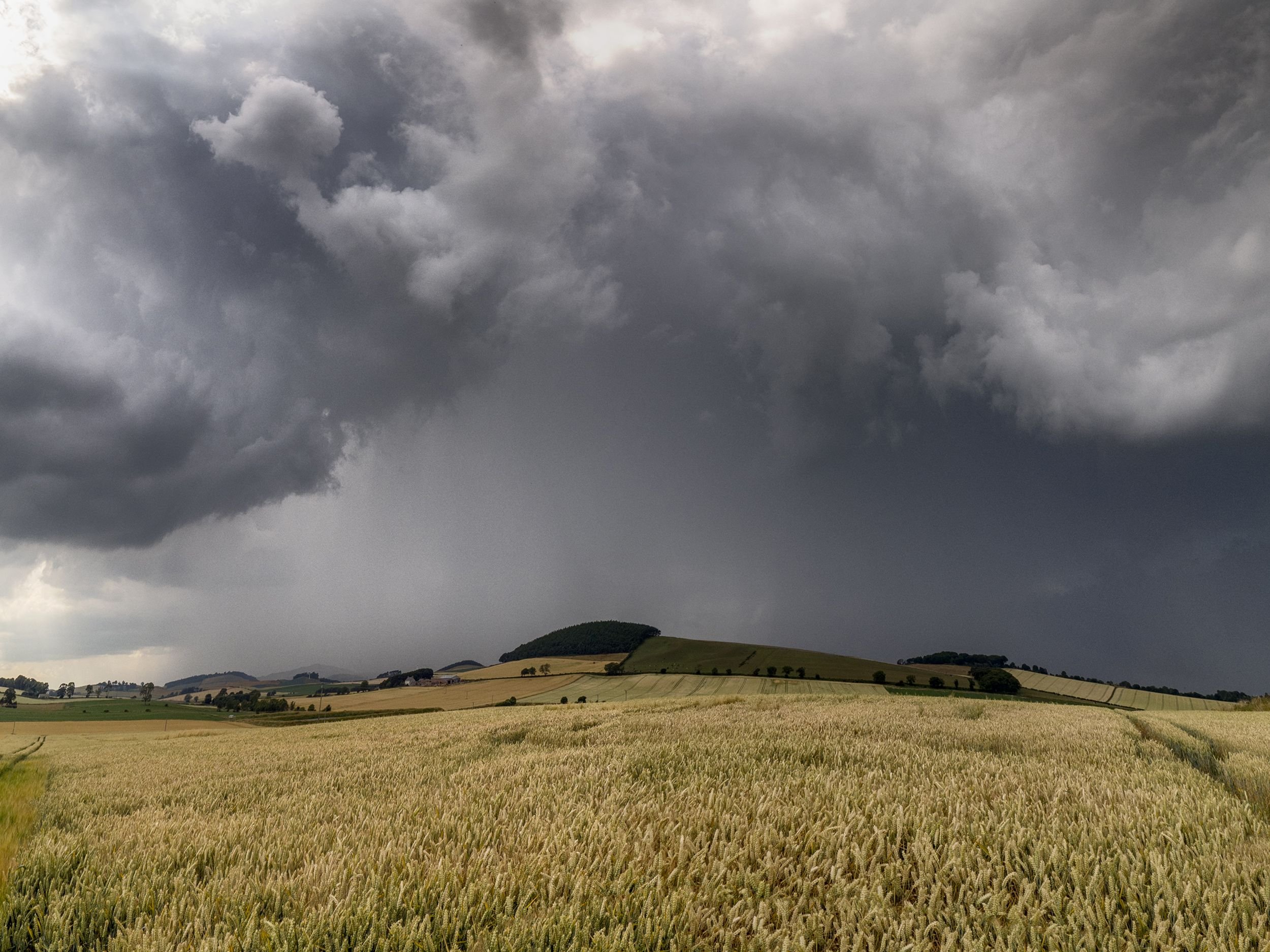
Drainage and Farm Modernisation: Why Changing Weather Patterns — and Rising EA Scrutiny — Make This the Right Moment to Rethink Water
Important Update 17-08-2026
Major Update: £65m Drought Package & NPPF Planning Overhaul for Farmers
After one of the driest summers on record, the UK Government has announced a £65 million drought support package alongside a major National Planning Policy Framework (NPPF) update that will reshape how farms manage water for decades.
If you design, install or modernise agricultural infrastructure, these changes matter immediately.
What’s Changing — and Why It Matters
Reservoir Red Tape Slashed Permitted Development Rights for on‑farm reservoirs are being relaxed. Farmers will face far fewer planning barriers when building essential water‑storage infrastructure.
£15m Dedicated Funding for Water Storage A specific Defra allocation will support landowners to design and construct new water‑retention systems.
Drainage + Storage = The New Normal Policy is shifting away from simply moving water off land. The future is dual‑purpose systems: draining winter excess while capturing and storing that water for summer resilience.
Abstraction Sharing Made Easier The Environment Agency is fast‑tracking licence variations so neighbouring farms can legally share water resources.
This is a structural pivot in agricultural planning — and it aligns directly with the drainage and water‑management challenges farms are already facing.
Why Drainage Now Sits at the Heart of Farm Modernisation
Farm modernisation usually focuses on visible infrastructure — sheds, yards, stores, tracks. Planning assessments tend to centre on landscape, amenity and highways. Drainage often sits quietly in the background, but today’s climate and regulatory pressures make it a strategic priority.
The UK now sees:
wetter winters saturating soils and overwhelming yards
drier springs limiting early growth
hotter summers stressing grassland and livestock
intense rainfall events driving run‑off, erosion and contamination
At the same time, the Environment Agency is scaling up to 6,000 farm inspections a year, with a clear focus on yard run‑off, slurry containment and water‑pollution risk.
Modernisation is one of the few moments when farmers pause and look at the whole yard. In today’s conditions, that pause is strategically valuable.
Water Is Now One of the Biggest Hidden Costs on UK Farms
Poor drainage has always been expensive. Under current weather patterns and EA scrutiny, the costs compound:
saturated yards turning clean water into slurry
tanks filling faster than expected
increased agitation and pumping
higher diesel and labour use
delayed turnout and reduced grass growth
compaction and soil damage
dry springs exposing structural issues
heavy summer storms overwhelming old systems
yard run‑off becoming a regulatory risk
These issues rarely appear in a planning assessment, but they affect day‑to‑day operations far more than most people realise.
Modernisation Creates a Rare Window of Opportunity
Drainage improvements don’t need to be complex or expensive. Many of the most effective measures are simple, low‑cost tweaks that are easiest to do when contractors are already on site:
adjusting yard falls while concrete is being laid
separating clean and dirty areas
repairing gutters and downpipes
directing roof water to clean soakaways
adding small swales to intercept run‑off
roofing handling areas
improving water capture for non‑potable uses
These aren’t “extras”. They’re resilience measures — designed for a climate where water arrives in bigger pulses, sits longer in winter, and disappears faster in spring. And crucially, many of these interventions are now fundable.
Funding: Turning Drainage Improvements Into Actionable Options
Capital Grants (CS Capital Grants / SFI Capital Grants)
Relevant items include:
yard run‑off management
sediment traps
swales and small wet features
roofing livestock handling areas
clean/dirty water separation
concrete yard improvements
guttering and downpipe upgrades
These interventions directly reduce slurry volume and improve yard resilience.
SFI Actions Supporting Water Management
While SFI doesn’t fund engineered drainage, several actions align with water resilience:
SAM1 — Soil assessment and management
SAM2 — Multi‑species winter cover crops
AHL4 — Arable buffer strips
IGL3 — Improved grassland buffer strips
LIG1 / LIG2 — Low‑input grassland
IGL1 — Grassland margins and blocks
NUM3 — Legume fallow
These actions slow water, reduce erosion, manage nutrients and improve soil structure — all of which reduce pressure on yard systems.
Why This Matters for Planning (Even When Not Required)
Drainage often isn’t a formal requirement for most farm planning applications. Many proposals pass without any reference to drainage strategies.
But climate‑aligned, funded drainage thinking can:
strengthen the operational justification for new buildings
reduce pollution risk (a key EA inspection trigger)
reduce the chance of objections
support siting decisions
align with funded SFI and capital‑grant options
demonstrate long‑term environmental responsibility
It’s not about adding complexity. It’s about designing infrastructure for the climate and regulatory environment farms are operating in now, not the climate of 2005.
The Strategic Takeaway
With:
wetter winters
drier springs
hotter summers
more intense rainfall events
rising EA inspections
new Defra funding
relaxed reservoir rules
NPPF changes supporting water storage
…water management is no longer a background issue. It is a core resilience tool.
Drainage is rarely mandatory for planning, but it is one of the most cost‑effective ways to future‑proof a holding — especially when aligned with funded options and modernisation work already underway.
How Kenyon‑Holmes Rural Planning Can Support Long‑Term Resilience
Kenyon‑Holmes Rural Planning provides early‑stage, feasibility‑led advice that helps farmers and landowners make long‑term, climate‑aligned decisions about their holdings. Modernisation is one of the few moments when the whole farm layout can be reviewed at once — buildings, yards, access, water and land use.
A strategic assessment can identify where small, funded interventions will reduce risk, improve resilience and support future development. Thinking clearly about water now ensures new infrastructure performs well for the next twenty years — and that the wider holding is ready for the climate and regulatory environment farms are already operating in.