
Planning for the Next Generation
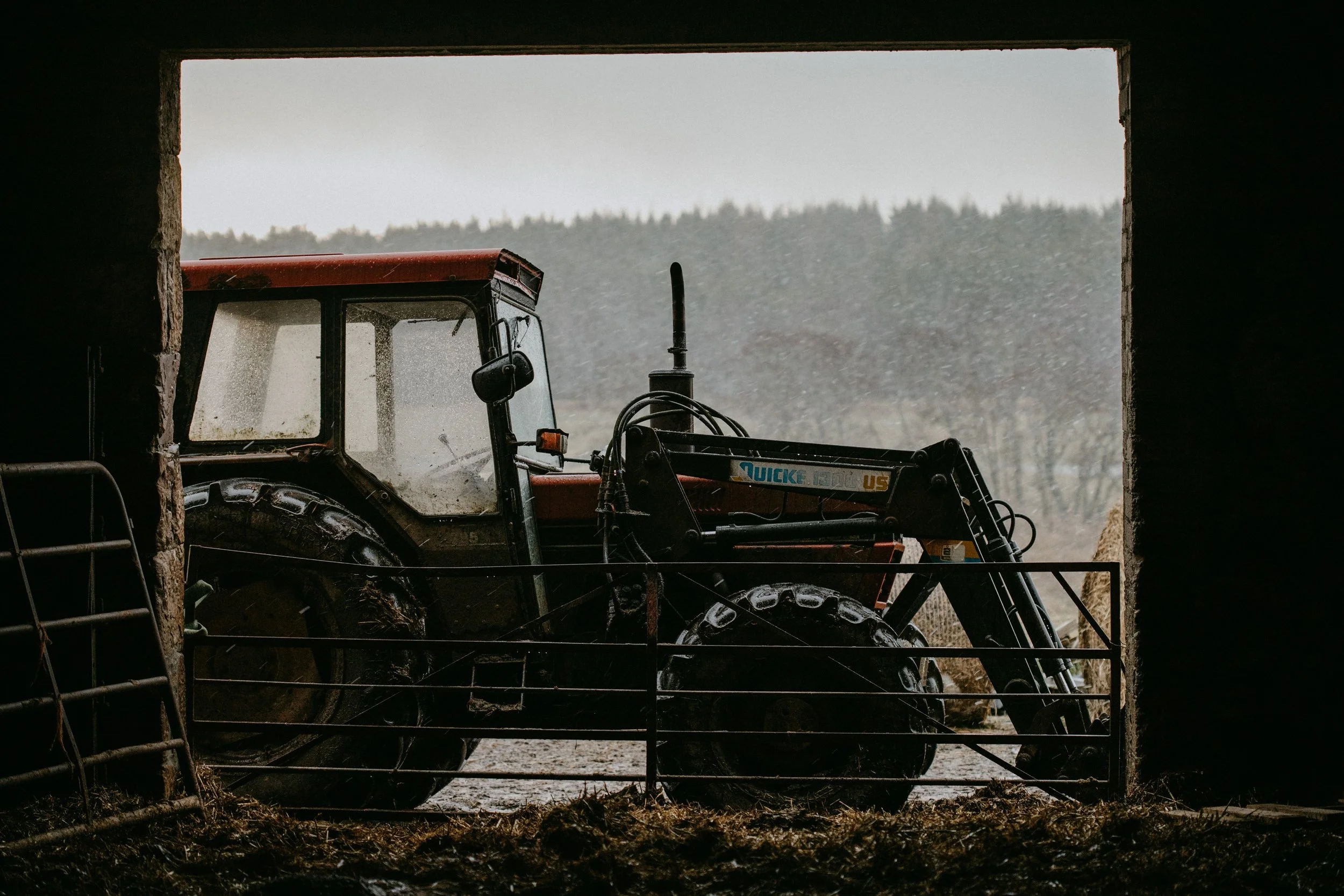
Planning for the Next Generation: Why Farms Need a Whole‑Farm Development Approach
Most farms don’t fail because of infrastructure deficiencies. They fail because the business hasn’t adapted fast enough. This can lead to a gaping hole in farm finances making an already challenging rural economy too much for many small to medium family farms.
Younger family members understand this better than anyone. They know, that in many cases they can’t rely on traditional farming alone to make a living —margins are tight, regulations are heavy, and there may be several siblings who want to stay involved in the business.
A whole‑farm development plan that looks at the holding as a single, holistic system can be an important tool in ensuring the future of multi-generational family farms.
And planning is the tool that makes that possible.
The Reality: One Farm, Several family members, Limited Income Stream
This is a common pressure point.
You might have:
Parents overseeing day to day farm operations
A sibling with a keen interest one aspect of farming operations
Another interested in tourism or food
Another with trade or digital skills
A partner who wants to bring in a small business
Children coming up behind them
The land can’t stretch unless the business does. And the business can’t stretch unless the planning framework allows it.
This is where many farming families get stuck.
Why Piecemeal Development Doesn’t Work Anymore
:Many farming businesses tend to react rather than holistically plan:
a shed here
a pod there
a barn conversion when it’s no longer fit for purpose
a track resurfaced because it’s become a swamp
a slurry store replaced because the inspector said so
That approach can work when it is single generation.
It does not work when:
multiple adults need income
the farm needs several enterprises
tourism, retail, workshops or environmental schemes are on the table
the yard layout is already tight
access is limited
neighbours are close
the landscape is sensitive
the farm is in a National Park or Green Belt
Without a whole‑farm plan, you end up with:
conflict
wasted money
planning refusals
poor siting
inefficient yards
lost opportunities
And once the wrong building goes in the wrong place, you’re stuck with ineffective and often expensive farm infrastructure for a generational timeframe.
The Whole‑Farm Development Approach
This is the approach that works for multi‑generational farms.
Step 1 — Understand the holding
Not just the buildings — the whole system:
land use
access
drainage
yard layout
environmental constraints
landscape sensitivity
underused corners
redundant buildings
potential tourism assets
potential enterprise spaces
Step 2 — Understand the family
Every family has different skills and ambitions:
to carry on farming and modernise
to diversify with associated agri business
to utilise building stock for other business
to consider development opportunities be it land or redevelopment of buildings for non-farming uses
to explore environmental land management opportunities
By taking a holistic whole farm approach you can see what is realistically possible.
Map opportunities against limitations
This is where planning judgement matters.
What’s possible under PD?
What needs full planning?
What infrastructure is needed?
What needs specialist input?
What material considerations are there?
It’s at this point where you also need to consider where possible conflicts could exist depending on how you approach your development idea, picking the correct planning route and understanding the implications is crucial.
Build a phased development strategy
Not everything can happen at once.
A well-considered timeline for reaching your business modernisation and or diversification aims needs to be realistically framed for example:
Year 1–2: Setting out the key infrastructure (drainage, access, yard improvements etc)
Year 2–4: first diversification project
Year 4–6: second enterprise or conversion
Year 6–10: environmental schemes or renewables
A measured approach that protects you financially whilst building a steady and sustainable business allows you to target your time and energy. It also allows you breathing space as the business incrementally adapts, grows and begins to sustain future generations.
Deliver the first permission
This is the catalyst. Once the first permission lands, everything else becomes easier:
It is a tangible for banks
confidence grows
you see real progress
it helps the next steps fall into place
Where Planning Helps — and Why It’s the Missing Piece
Good Planning isn’t just about securing permission by any means. It’s about shaping the future of the holding. Taking a long-term view to create a sustainable future.
Good Planning can:
create space for each generation
protect the core agricultural business
unlock new income streams
reduce conflict between siblings
avoid wasted investment
future‑proof the farm
support environmental schemes
make diversification viable
give the business structure and direction
Most importantly:
Planning turns ideas into assets.
A barn conversion, a workshop, a tourism unit, a new yard — these aren’t just built assets. They’re income streams. They’re succession tools. They’re the foundation of a multi‑generational future.
The Takeaway
If a farm wants to support multi generations it needs to look beyond traditional farming alone.
It needs:
a clear plan
a structured approach
a realistic view of opportunities and limitations
a phased development strategy
and planning permissions that unlock the next 20 years
A whole‑farm development approach is the best way to get there.
It’s practical. It’s grounded. It’s honest. And it’s the difference between a farm that survives — and a farm that thrives.
Kenyon‑Holmes Rural Planning is here to help you plan your farm’s future with clear, realistic, whole‑farm development advice.